


|
|---|


Tuesday, December 1, 2009
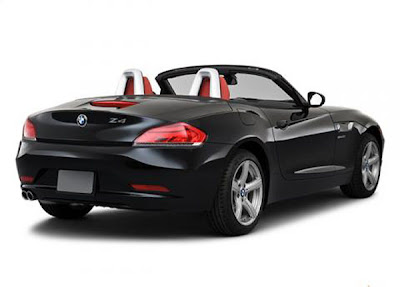
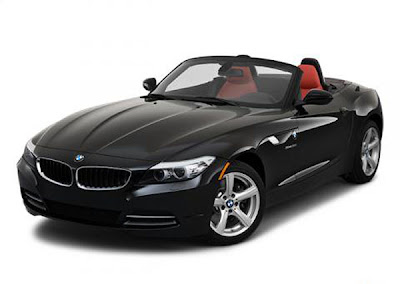 2009 BMW Z4
The 2009 BMW Z4 is redesigned, gaining freshened styling and new powertrains. Z4 seats two and comes as a convertible with a power-retractable hardtop. The sDrive30i has 255 hp, while the sDrive35i is turbocharged and has 300 hp. Both have a standard 6-speed manual transmission. A 6-speed automatic is optional on the sDrive30i, while a new 7-speed automatic is optional on the sDrive35i. Available safety features include ABS, traction control, antiskid system, and side airbags that provide head and torso protection. Included with the optional navigation system is BMW's iDrive control interface. Also available is BMW's Dynamic Drive Control, which allows drivers to alter throttle, traction control, and steering response. When paired with the optional Adaptive M Suspension, Dynamic Drive Control also allows the driver to adjust suspension firmness. via consumerguideauto
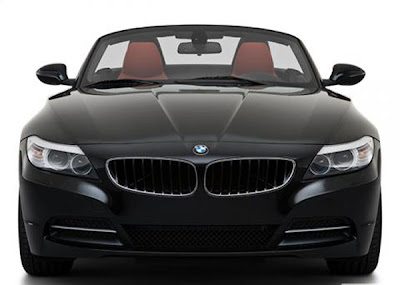 2009 BMW Z4
 2009 BMW Z4
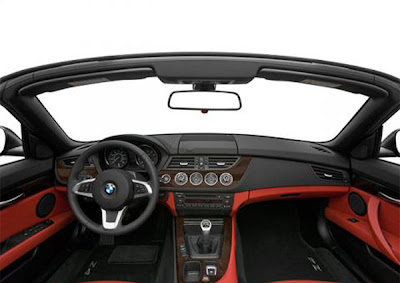 2009 BMW Z4
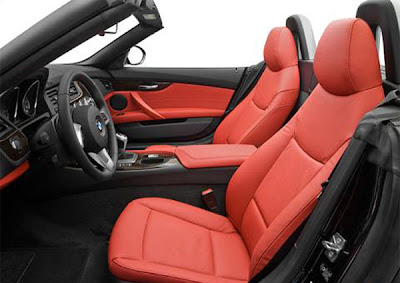 2009 BMW Z4
 2009 BMW Z4
 2009 BMW Z4
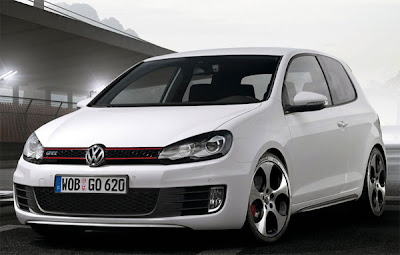 Volkswagen Golf VI GTI
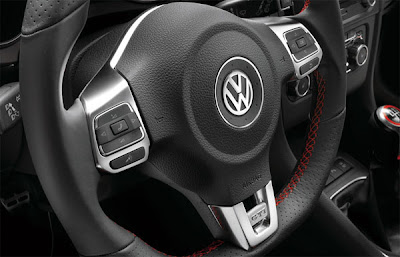
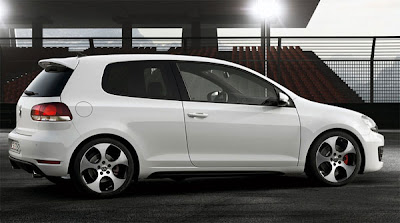
Volkswagen announced that the Volkswagen Golf returns to US with the new. The Volkswagen Golf VI had it's global premiere at the Geneva Motor Show, showing a significantly new design. via zercustoms
 Volkswagen Golf VI GTI
 Volkswagen Golf VI GTI
 Volkswagen Golf VI GTI
 Volkswagen Golf VI GTI
 Volkswagen Golf VI GTI
 Volkswagen Golf VI GTI
 Volkswagen Golf VI GTI
Sunday, November 29, 2009

Now Maini, the man behind Reva Electric Car Co., is building in southern India what he says will be the world’s biggest factory making battery-powered city commuter cars.
“It’s the first attempt at mass production of a green car,” said Maini, who studied hybrid electric technology at California’s Stanford University and developed the no-clutch, no-gears Reva as head of a 75-member engineering team.
“With growing climate change awareness, I think we’re at the tipping point for electric cars,” Maini told AFP in an interview.
The drive in 1990 which set Maini on his career track was a General Motors-sponsored solar-powered race in which his car finished third, beating many of the global car companies.
“Driving across the continent on the sun’s energy made me think how we could use alternative energy to power cars in the Indian context,” he said.
“When I saw how our cities were getting polluted, I realised employing clean, alternative energy could make a lot of sense — we needed to develop this kind of technology,” he said.
Maini has put some 3,000 of the zero-polluting three-door Revas on the roads in India and Britain — where it is known as the G-Wiz — in the eight years since the company started selling the cars.
Reva was formed in 1994 as a joint venture between the family-owned Maini Group and AEV of the United States to manufacture environment-friendly vehicles.
But it took seven years for the first Reva to go on sale as Maini and his team worked on the design.
Afterward, “we were in a test marketing phase, trying to see how people used electric cars, what were their needs. But that’s now over and we’re ready to move to the mass-market stage,” Maini said.
In September, Reva got a big endorsement when GM announced it would team up with the tiny car company to develop a plug-in version of the best-selling GM Spark mini-car as the US giant embraces electrically powered driving.
“We think their technology is the best,” said GM India president Karl Slym.
The Reva — named after Maini’s mother — can seat two adults and two children and cover 50 miles (80 kilometres) on a single charge of electricity. New models feature sleeker looks than the Reva, which resembles a modified golf-cart, and will offer greater distance.
The company’s next generation three-door, four-seater hatchback NXR is intended to be a family car and will go into production in 2010. It will have a top speed of 65 miles per hour and travel 100 miles on a single charge.
The car will go on sale for around 10,000 euros (15,000 dollars) and can be charged in 90 minutes.
The higher-end NXG will have a 125-mile range and an 80 mile per hour top speed and sell for 23,000 euros in Europe.
The price of the new vehicles is not fixed for India but the cars are expected to sell for “much less,” said Maini.
The Reva currently retails for around 350,000 rupees (7,500 dollars) and is built at a small factory outside the southern city of Bangalore.
Maini is targeting people who want a vehicle for city jaunts or as a second automobile.
The cost of running an electric car in India is a tenth of a petrol-fuelled car, Maini said. The car has no oil filters, spark plugs or radiators so maintenance costs are also low.
“Since we started, there’s been quite a big change in consumer mind-sets,” said Maini, whose love affair with cars began when he was a child assembling remote-controlled toy vehicles.
“We are also seeing a large policy shift by governments to environmentally friendly vehicles,” he added.
Maini is eyeing annual sales of “5,000 plus” for the next three years and then 30,000 annually from cars produced at his new Bangalore factory, which is being built with venture funding.
There is a large market as the infrastructure for electricity is widespread — even in India, he said.
“All you need is the installation of a standard plug point — 15 amps — that is used for an air conditioner or an iron. Most people only need a larger car if they are going out of town.”
The tie-up with GM is part of a three-pronged strategy for Reva which wants to make its own cars under the Reva brand, franchise production in countries such as the United States and license the company’s technology for use by global companies.
GM and Reva have promised the new electrically powered Spark mini-car will be on Indian roads in a year and they see a market later abroad.
Subscribe to:
Posts (Atom)


